


Headless CMS (Content Management System) is changing how companies approach web development. This trend develops into flexibility and reliability, which makes headless CMS a solution for any company wanting to digitalize their presence. This is what headless CMS does, and this is how your company can take advantage of it almost instantly.
From a brand-to-content management perspective, systems like WordPress or Drupal have reciprocal bindings on “what-you-see design” and management of your content. While this made certain tasks easier, it also imposed limitations on how and where you were able to deliver your brand content. Here comes headless CMS: a solution for our now multi-device, multi-channel world. Headless design enables you to escape design constraints and transmit content to any customer-engaging digital interface.
What is Headless CMS
Let’s assume your website has two parts: the backend, where you manage your content, and the frontend, which your customers see. A headless CMS decouples or separates these two. Your team uploads articles, images, and videos to one place. Then, you use APIs to deliver this content instantly to any website, app, or digital device, formatted however you want.
The industry is taking notice for good reason. By 2025, the headless CMS market is set to surpass $969 million and may reach over $7 billion by 2035, growing at an impressive 22% compound annual growth rate (CAGR). Nearly 77% of leading businesses in some regions are moving to headless platforms this year. This isn’t just for early adopters; it’s quickly becoming the standard for brands that want smarter digital experiences.
The Real Benefits of Headless CMS
Let’s get practical. Here are the core ways headless CMS changes the game for digital marketing and development.
Flexibility in Front-End Design
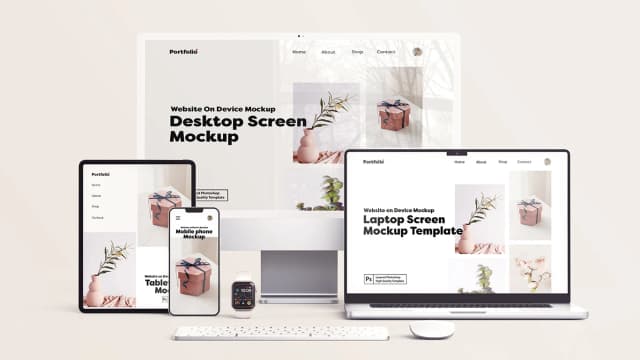
Your developers are not boxed into one framework or theme. If you want to build your customer portal with React, your blog on Vue, and your app on Flutter, with headless, your content lives in one place, ready to go anywhere you want it.
Faster Content Across Every Channel
You can launch marketing campaigns, updates, or new products once and push content out to your website, mobile app, smart kiosk, or even voice assistant, all at the same time. This makes omnichannel marketing seamless and helps keep your brand consistent everywhere.
Better Site Performance
With content delivered through APIs, your site can render only what’s needed and cache parts for faster loading. This slimmed-down delivery model often means quicker load times and smoother browsing, which improves SEO rankings and your customers’ patience.
Faster Team Collaboration
Editors, marketers, and developers don’t slow each other down. Content teams can work in the CMS while developers tinker with the frontend or even multiple frontends. You cut development cycles, iterate faster, and bring updates to market in record time.
Scalable and Future-Proof
Your business grows, so your customer touchpoints multiply. With a headless CMS, you won’t suffer from forced redesigns or platform overhauls. Just connect new channels to your API. This architecture keeps your company agile and ready for whatever digital opportunities come next.
Enhanced Security
Because the content management backend is separate from your public-facing site, attackers have a smaller attack surface. This lowers the chances of someone gaining access to your sensitive information or publishing channels.
Is a Headless CMS Right for Your Business?
Headless is ideal if you:
Want to publish content across multiple platforms but manage it in one hub.
Have a development team familiar with APIs and modern frameworks.
Value brand consistency and fast content delivery to new channels.
Need a scalable solution to handle growth and shifting digital strategies.
If you mainly need a simple website and don’t plan on expanding much, a traditional CMS can still be a fit. But for any business with growth in mind and a need to reach customers wherever they spend their time, headless CMS unlocks new possibilities.
Key Trends Shaping Headless CMS Growth
Digital leaders plan to increase spending on advanced digital experiences by up to 25% in the coming year, with a focus on agile content delivery.
The rise of AI and automation makes headless CMS attractive: decoupled systems are easier to connect to new analytics or personalization tools.
Businesses in regions like Asia-Pacific are rapidly adopting headless solutions to keep up with multichannel consumer demand.
Consider an e-commerce brand. With a headless solution, the business can update product details once in the CMS. The new information instantly appears on the website, the mobile app, in-store displays, and even smartwatches. Marketers spend less time duplicating work, and customers always see the most accurate information, no matter how they interact with your brand.
Step Boldly into the Future
If you want to make your digital presence more flexible and customer-focused, now’s the time to explore headless CMS for your business. Talk to your marketing and development teams. Ask where your brand wants to be in the next two years and whether your current tech stack is holding you back. The brands leading tomorrow’s digital landscape are already making the shift today.
Switch to headless and give your business limitless flexibility. Your team and customers will see the difference.