


You pour all your marketing energy into one platform, maybe Facebook, Instagram, or Google Ads, and then wake up one day to find your reach has dropped overnight. When algorithms change, ad costs spike, and accounts get restricted. In today’s digital landscape, relying on a single marketing channel is like building your business on rented land.
Every smart business wants strong visibility and consistent growth. But putting all your marketing eggs in one basket is not a growth strategy; it’s a gamble. Let’s break down why platform dependency puts your business at risk and how to future-proof your marketing efforts.
The Illusion of Control
When you rely on one platform, you think you are in control because you have mastered how it works. You may have figured out the best ad formats, target audiences, or timing. But digital platforms follow their own rules, and those rules change daily.
For example, in 2024, major social and search platforms rolled out significant algorithm updates that dropped organic reach for many businesses. Brands that had built their entire traffic flow on those algorithms saw engagement and sales dive within weeks.
You can’t control these shifts, but you can control your strategy. The key is to treat each platform as a part of your ecosystem, not the entire foundation.
Algorithm Changes Can Wipe Out Growth
Algorithms are unpredictable; a small tweak in how content is prioritized can make high-performing campaigns invisible overnight.
A good example is how Instagram’s focus on Reels led to a collapse in static-image engagement for many brands. Businesses that didn’t adapt struggled to maintain reach. Similarly, Google’s algorithm updates in 2023 dramatically changed SEO rankings, catching many unprepared companies off guard.
If your main lead source disappears tomorrow, could your business still grow? If the answer is “not really,” you are overly dependent. Diversification protects you from these shocks and turns temporary dips into learning moments rather than disasters.
Rising Costs and Competition
Each digital platform follows a simple rule: as more businesses advertise, costs rise. Data from WordStream shows that average CPCs on Meta Platforms, Facebook, and Instagram increased by more than 15% over the past year. Meanwhile, Google Ads competition intensified across multiple industries.
If you rely on a single platform, you are forced to accept these rising costs with no alternatives. But businesses using multi-channel marketing can shift focus where ROI stays stronger. For instance, pairing paid search with email campaigns or retargeting can offset the higher costs of paid ads and keep your marketing budget under control.
Data Ownership and Audience Control
One of the biggest downsides of single-platform dependency is losing ownership of your audience. On social media, you don’t truly “own” your followers; the platform does. If your account is restricted, hacked, or suspended, your customer connection will disappear.
That’s why building assets you own is vital. Your website, blog, and email list are channels you control entirely. When you guide social media followers to subscribe to your newsletter, you move them from rented land to property you own.
A strong brand uses social platforms to attract attention but directs audiences back to owned spaces where relationships and conversions last longer.
Diversification Builds Long-Term Resilience
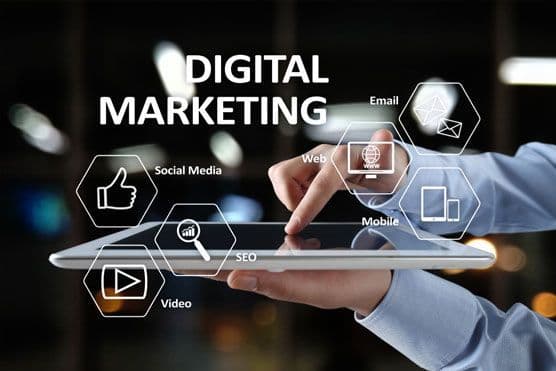
Diversifying your marketing doesn’t mean spreading thin; it means creating synergy. Mix channels that serve different purposes:
Search marketing (SEO + SEM): Captures intent-driven audiences ready to buy.
Social media: Builds awareness and engagement.
Email marketing: Strengthens retention and direct communication.
Content marketing: Increases trust and authority over time.
Influencer and affiliate programs: Expand credibility and reach through partnerships.
Each channel supports the others. Your ad campaigns drive traffic to your website. Your blog content fuels SEO. Your emails nurture those leads into loyal customers. A steady flow of traffic and conversions across multiple channels keeps your brand stronger than any algorithm update.
Your Next Step
Don’t wait for an algorithm change or platform policy to test your resilience. Start building a balanced marketing ecosystem today. Protect your brand’s visibility, strengthen your connection with customers, and secure your long-term growth.
If you need help developing a multi-channel marketing strategy that fits your business size and goals, partner with a digital marketing expert who understands the balance between strategy and sustainability. Take control of your marketing future before the platforms do it for you.