

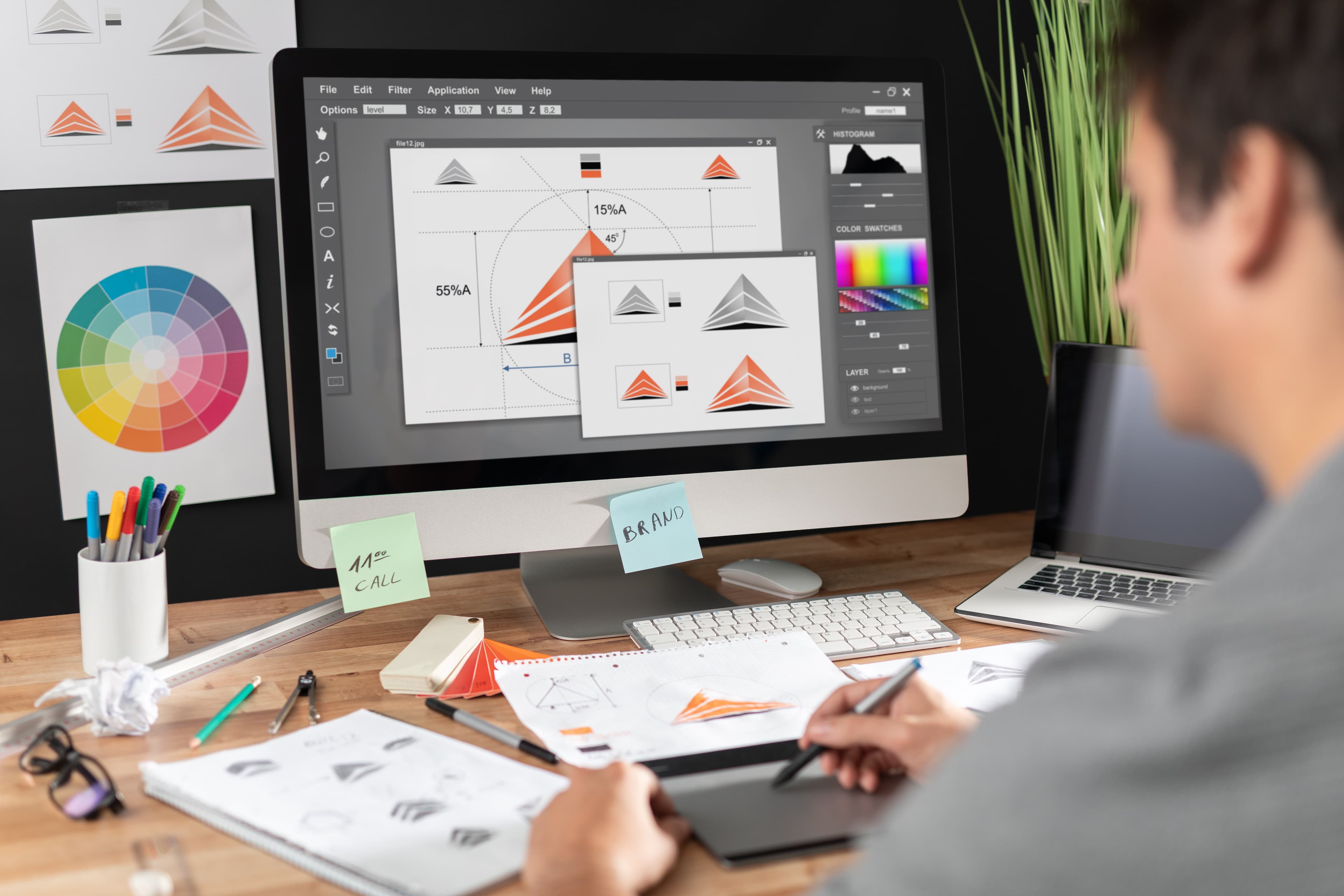
Good design is not just about colors, fonts, or layouts; it’s about people. Every click, scroll, and tap your users make is driven by emotion and thought. That’s why understanding user psychology has become one of the most essential skills in modern design.
If you run a business, lead a marketing team, or manage a digital product, your design choices shape how users feel about your brand. When you design with psychology in mind, you don’t just make things look good; you make them work.
Let’s unpack how user psychology influences design decisions and why it matters for your business.
Why User Psychology Matters in Design
Every design tells a story, and users read that story in seconds. A website that feels confusing, cluttered, or slow can push people away before they even read your message.
Studies show that it takes about 50 milliseconds for users to form an opinion about a website. In that blink of an eye, they decide whether to trust your brand or click away. That decision is emotional before it’s logical, and that’s where psychology plays a key role.
When you design with user behavior in mind, you make it easier for people to do what you want them to do: sign up, buy, or learn more.
The Connection Between Design and Behavior
Good design works because it respects how people think. The human brain looks for clarity and meaning. If users can’t find what they are looking for fast, they leave. That’s why simplicity beats complexity every time. Clean layouts, clear headlines, and predictable navigation create a sense of comfort. People like designs that make sense right away.
Color Influence Emotion
Color is one of the first things users notice. It triggers emotional reactions before a single word is read.
Blue builds trust and is used by brands like Facebook and LinkedIn.
Red creates urgency and grabs attention.
Green signals growth, nature, and calm.
Black adds luxury and sophistication.
Color selection is not just an art decision; it’s a strategic one. If you are designing for conversions, consider the emotion you want your audience to feel. For example, a financial services site often uses blue tones to communicate stability, while a health brand might use green to represent safety and wellness.
When you understand the psychology behind color, you can connect your brand’s personality to the proper emotional response.
Layouts That Match How People Think
Designers call it “visual hierarchy,” but really, it’s about guiding attention.
People don’t read web pages top to bottom; they scan. Their eyes jump to headlines, images, and buttons. That means your layout should lead them naturally toward what matters most.
Here’s how psychology helps:
Start with contrast: Make important elements stand out.
Group-related content: The brain loves organization and patterns.
Use white space: It gives the eye room to rest and helps users focus.
Every design decision should answer one question: Can users understand what to do next without thinking too hard? When users feel confident and in control, they are more likely to stay and convert.
Emotional Triggers Drive Conversions
Design is all about emotion. Every purchase decision has a feeling behind it.
People buy from brands they trust, like, or relate to. Your design can reinforce those feelings through:
Warm, human language
Authentic photos, not stocky or fake-looking
Clear, encouraging calls to action
Social proof, like testimonials or reviews
For example, a simple message like “Join thousands of happy customers” builds a sense of belonging. A clear, confident button like “Get Started Now” removes hesitation.
Small emotional cues make a big difference.
Building Trust Through Design
Trust is the foundation of every digital experience. If users don’t trust your design, they won’t trust your brand.
Here’s what builds trust visually:
Consistency: Fonts, colors, and spacing that feel cohesive.
Clarity: Short, honest messaging with no clutter.
Speed: A site that loads fast and works well on any device.
Transparency: Easy-to-find contact info, policies, and reviews.
According to Google research, users rate websites that are visually simple and consistent as more trustworthy.
How Businesses Can Apply Psychology to Design
You don’t need a psychology degree to make smarter design decisions. You just need to look at your design through your customer’s eyes.
Here are three steps you can take today:
Observe behavior: Use tools like heatmaps or session replays to see where users click, scroll, or stop.
Test small changes: Try adjusting button colors, placement, or messaging, and track what improves engagement.
Keep it human: Write and design for real people, not algorithms.
Every tweak should make your design feel friendlier and more natural to your users.
The Future of Design Is Human-Centered
As digital experiences evolve, user psychology will keep shaping design. AI and automation may change how designs are made, but the human brain still decides how they are experienced.
Businesses that pay attention to human behavior not just aesthetics will always design better products, campaigns, and websites. When you put people first, your brand naturally becomes more relatable and credible.
Ready to Design With Psychology in Mind?
If you are planning a website redesign, launching a campaign, or rethinking your brand visuals, start with the user, not the template. Ask what your audience needs to understand and trust before they act.
Design that build on psychology, it performs very well. The brands that win online are the ones that understand the fact: when you design for people, business success follows naturally.
So go ahead think like your users, design with empathy, and let psychology guide your next creative decision.